
Uplighting Guide: Transform Your Venue
Uplighting is the fastest way to change how a room feels on your wedding day: small lights on the floor wash your walls in color and turn a blank hall into a space with mood and depth. This wedding uplighting guide walks you through what it does, how to choose colors, where to place the fixtures, how to layer it with effects, and why it makes such a difference in your photos.
If you have ever walked into a venue during the day and thought it looked a little bare, uplighting is the answer you were missing. It works quietly in the background all night, and most guests never notice the fixtures themselves. They just feel the room.
What Wedding Uplighting Is and How It Changes a Room
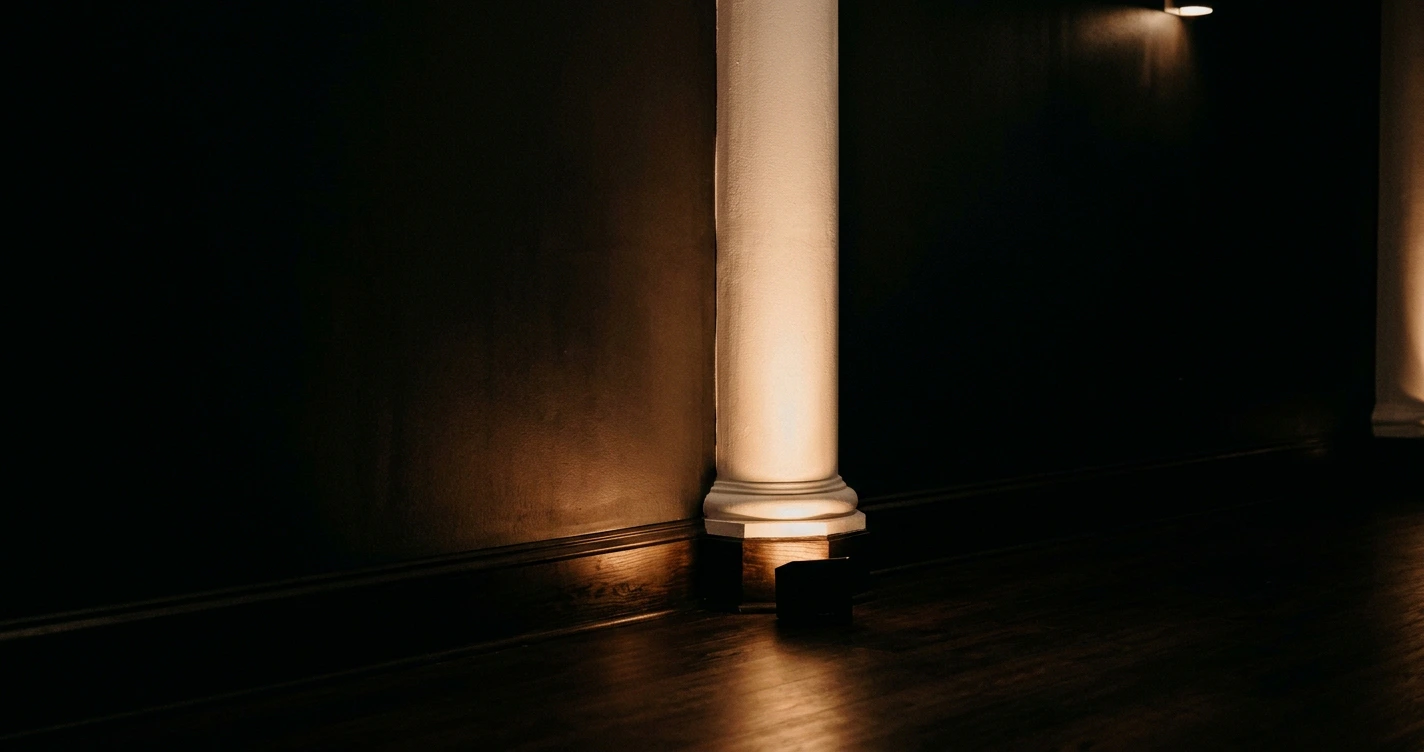
Uplighting is a collection of compact LED fixtures set on the floor, aimed upward, that bathe your walls, pillars and corners in color. Each light throws a soft column of color up the surface in front of it. Place enough of them around a room and the whole space takes on a single, cohesive glow.
The effect is architectural. A plain white ballroom becomes warm and golden. A venue with stone walls or tall columns, common in Lebanese halls and historic estates, gains drama as the texture of the surface catches the light. Nothing physical changes in the room, yet it reads completely differently once the fixtures come on.
Warm, ambient lighting is one of the named wedding decor trends for 2026, according to The Knot's decor trends report, which ties it to a wider move away from harsh overhead lighting toward softer, mood-setting illumination. Uplighting is the cleanest way to get that look, because it lifts the whole room without a single bulb hanging in a photo.
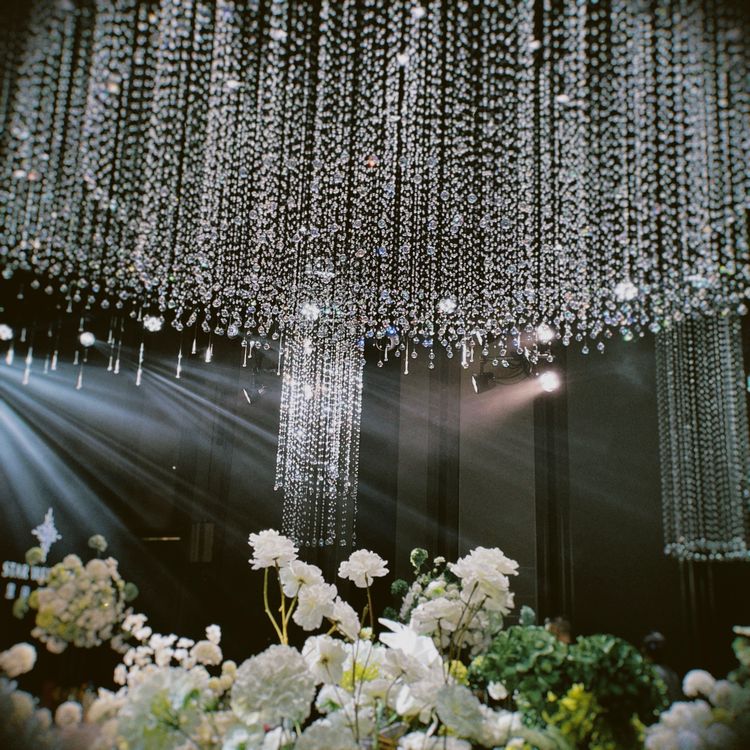
One more thing worth knowing: modern LED fixtures change color on command. The same lights that glow warm amber during dinner can shift to deep blue or magenta the moment the dance floor opens. Your lighting can follow the night instead of staying frozen on one setting.
Choosing Colors to Match Your Theme
Start with your palette, then translate it into light. If your florals and linens lean blush and ivory, soft amber and warm white uplighting will feel like an extension of the decor. If your theme is jewel-toned, deep purples and rich blues will echo it beautifully. The goal is harmony, not a second, competing color story.
A simple approach that works almost every time:
- Pick two or three colors total, not a rainbow.
- Use warm, gentle tones near dinner tables and seating.
- Save your boldest, most saturated color for the dance floor.
- Shift the colors as the night moves from ceremony to reception to party.
It helps to know that color does not carry one fixed meaning. Research on color psychology by Elliot and Maier, published in the Annual Review of Psychology, found that the way a color affects people depends heavily on context: the same red can read as romantic in one setting and as a warning in another. For a wedding, that is good news. Surrounded by flowers, music and people you love, warm reds and deep purples read as celebration and intimacy.
A few pairings couples tend to love:
- Amber and soft white for a candlelit, romantic dinner.
- Blush pink and warm white for a soft, dreamy ceremony.
- Deep blue and magenta for a high-energy dance floor.
- Emerald or teal for a garden or nature-inspired theme.
Avoid harsh greens and cold whites on skin and tables, since they can make food and faces look unflattering. Keep the punchy colors on the walls and the dance floor where they belong.
Placement Tips for Walls, Pillars and Dance Floors
Placement is where good uplighting separates itself from a few random colored lights. The aim is even, intentional coverage, so the room feels designed rather than dotted.
For walls, space fixtures evenly along the base, roughly every two to three meters, so the columns of light overlap softly instead of leaving dark gaps between bright stripes. Long, unbroken walls are the easiest to make beautiful, since the light can stretch all the way up without interruption.
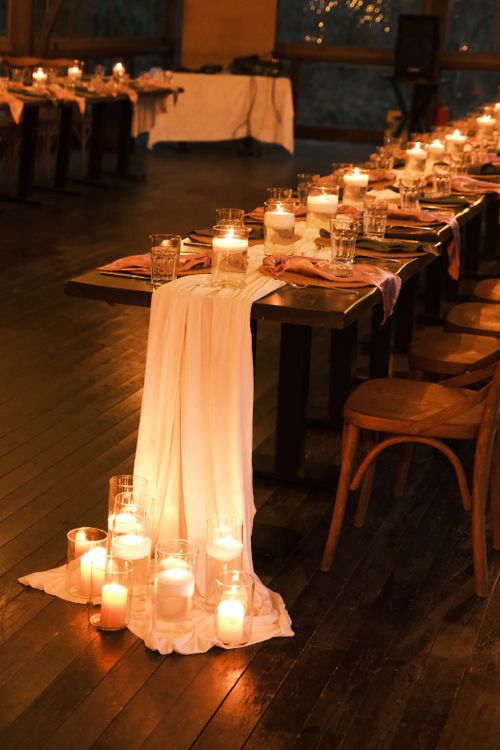
Pillars and columns are a gift for uplighting. Set a fixture at the base of each one and the light wraps the column, pulling it out of the shadows and turning structure into decor. In venues with rows of columns, lit pillars create a rhythm down the length of the room that the eye loves.
For the dance floor, think about framing rather than flooding. A few quick principles:
- Ring the edge of the dance floor so color surrounds the crowd.
- Keep the brightest, most saturated colors here.
- Leave the center open for moving effects and the DJ's lighting.
- Place fixtures where guests will not trip over cables or kick them.
A detail that matters in real rooms: tuck fixtures and cables out of walking paths and sight lines. The magic of uplighting is that guests see the glow, not the gear. A professional lighting team will walk your venue in advance, count the fixtures your space needs, and hide the hardware so cleanly that the light seems to come from the walls themselves.
Combining Uplighting With Other Effects
Uplighting is the base layer of a room, and it only gets better when you build on top of it. The colored wash sets the mood all night, while bigger effects punctuate the moments that matter. Layering them is how a reception stops feeling like a dinner and starts feeling like an event.
Think of your lighting in layers:
- Uplighting: the constant color wash on walls and pillars.
- Moving and spot lights: focused beams for the first dance or the entrance.
- Atmosphere: dry ice and haze that let beams of light become visible in the air.
- Pyro moments: cold-spark volcanos and fireworks for peak energy.
The combinations are where it gets fun. A low blanket of dry ice fog across the floor during your first dance catches your uplighting color and makes you look like you are dancing on a cloud. When the zaffe or the party kicks off, cold-spark volcanos throw bright fountains of sparks that read dramatically against deep blue or magenta walls. If you are planning a traditional entrance, these effects pair naturally with the drums and energy of the procession, and our guide on how to plan the perfect zaffe entrance covers how to time the music and the moment.
The reason to let one team handle both sound and light is timing. A cold-spark volcano that fires exactly on the beat drop, with the uplighting shifting color at the same instant, lands far harder than effects triggered on a guess. DJ JAY-P runs a full production package, uplighting, sound, dry ice, cold-spark volcanos and fireworks together, so every effect is cued to the music instead of fighting it.
How Uplighting Elevates Photos and Video
Reception halls are usually dark, and that darkness is the enemy of good photos. Without enough light and color in the room, images can come out flat, grainy or muddy, because the camera simply does not have enough information to work with. Uplighting fixes the background by filling it with rich, even color, giving your photographer a scene with depth instead of a dim gray wall.
Professional photographers plan their camera settings around low-reception light. Guidance from SLR Lounge recommends shooting receptions around ISO 800 to 6400 with shutter speeds of 1/125 to 1/200 of a second, and matching flash to the warm tungsten light already in the room so skin tones stay natural. When your uplighting adds a controlled, intentional color to the walls behind you, those photos gain a backdrop that looks designed rather than accidental.
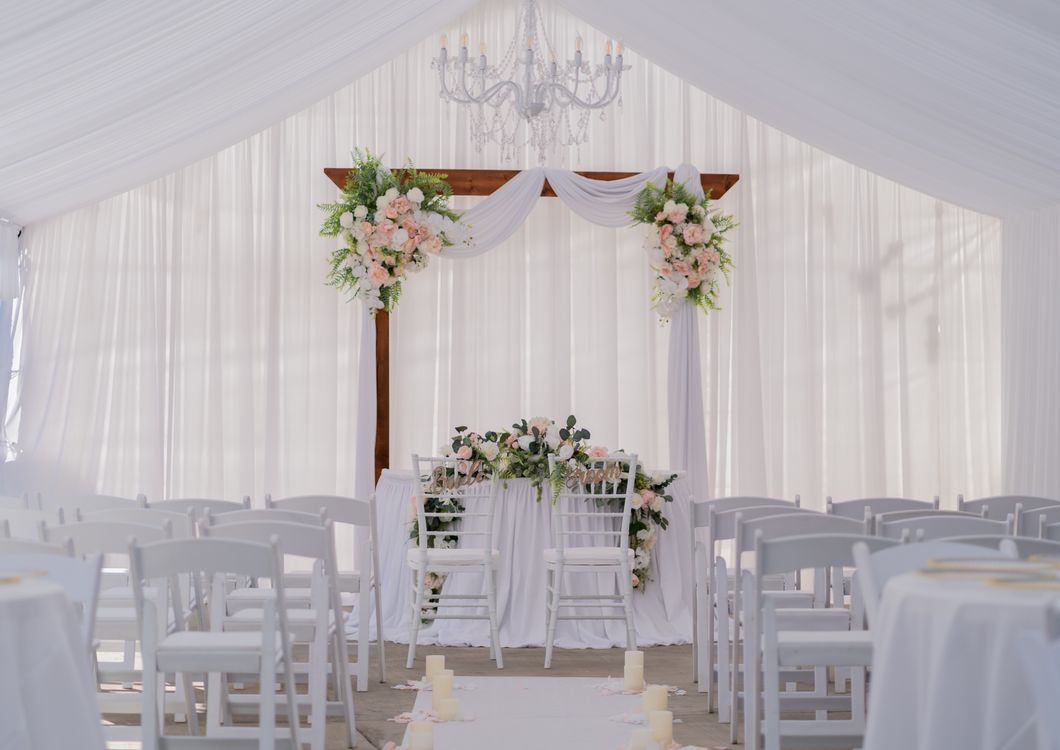
Video benefits even more. Moving footage of a dance floor ringed in color, with sparks or fog catching the light, carries energy that a bare room never could. The color gives every clip a consistent look, so your highlight film feels like one cohesive night rather than a string of dim, mismatched scenes.
A short checklist to get photo-ready light:
- Keep warm, flattering tones on faces and tables.
- Put your boldest color on walls and the dance floor backdrop.
- Coordinate your lighting team with your photographer before the day.
- Save the biggest effects, sparks and fog, for the shots you want most.
Good uplighting is not just something your guests feel in the moment. It is something you keep, in every photo and every frame of video, long after the night is over.
Plan Your Venue's Glow
The simplest next step is to picture your room at night and the two or three colors you want on its walls, then share that with a lighting team who can make it real. If you are planning a wedding or event in Lebanon and want your venue to look as good as it sounds, send DJ JAY-P a message on WhatsApp with your date and venue, and we will map out the uplighting and effects that fit your space and your night.
Frequently asked questions
What is wedding uplighting?
Uplighting is a set of small LED fixtures placed on the floor along walls and pillars that cast colored light upward. It reshapes the mood of a room without touching the architecture or decor.
How many uplights do I need for my venue?
It depends on the size and wall length of your hall. As a rule, fixtures spaced evenly every two to three meters give smooth coverage. A good lighting team will walk your venue and plan the count for you.
What color uplighting is best for a wedding?
There is no single best color. Warm amber and soft white suit dinner and romance, while deeper blues, purples and magentas energize the dance floor. Match your palette and change colors across the night.
Does uplighting really improve wedding photos?
Yes. Reception halls are often dim, which makes photos look flat. Uplighting adds color and depth to the background, giving your photographer a richer scene to work with.