
Sound and Lighting Rental in Lebanon: What to Know
The smartest first move with any sound and lighting rental in Lebanon is to size the gear to your venue and guest count before you fall in love with lasers and fireworks. Get the foundation right, and the extras land beautifully. Get it wrong, and even the best effects fight a muddy room.
Whether you are planning a wedding in a Beirut ballroom, an engagement in a mountain garden, or a corporate gala in a hotel, the same questions decide how the night feels. How loud, how bright, who sets it up, and who stays to run it. This guide walks you through each one in plain terms.
How Do You Match Sound and Lighting Rental to Your Venue?
Start with the room, not the equipment list. A compact indoor hall for 80 guests needs a fraction of the power a 400-person garden reception demands, and an echo-heavy stone venue behaves nothing like a carpeted ballroom. The right rental is the one calibrated to your space, your headcount, and the kind of energy you want on the floor.
A few things shape the setup more than guest count alone:
- Ceiling height and surfaces. High ceilings and hard walls bounce sound around, so placement and tuning matter more than sheer volume.
- Indoor versus outdoor. Open-air events lose energy to the sky and need more coverage, plus weather-safe power and rigging.
- Floor plan. Long, narrow halls often need distributed speakers so the back tables hear the same mix as the front.
- Dance floor versus dining. You want punch on the floor and clarity during speeches, which usually means zoned sound rather than one blast for everyone.
If you are still weighing your whole vendor list, our guide on how much a wedding DJ costs in Lebanon in 2026 puts production into budget context so sound and lighting do not become an afterthought.
What Do Sound Systems, Speakers, and Microphones Actually Do?
A full sound system splits into three jobs: the speakers that fill the room, the mixer that balances every source, and the microphones that carry your vows, speeches, and the zaffe. Each one has to suit the space, because a system that is underpowered leaves the back of the room flat, while one that is poorly placed turns a celebration into noise.
Loudness is where many events go wrong. According to the CDC's National Institute for Occupational Safety and Health, the recommended exposure limit for noise is 85 A-weighted decibels averaged over an eight-hour workday, and live events routinely climb well past that at the speaker stacks. The goal is not maximum volume. It is a full, clean sound that carries to every table without punishing the people nearest the system.
Speakers and Subwoofers
Main speakers handle vocals and melody, while subwoofers deliver the low-end thump that makes a dance floor move. For most weddings you want both, positioned to cover the floor evenly rather than aimed at one corner.
Mixers and Microphones
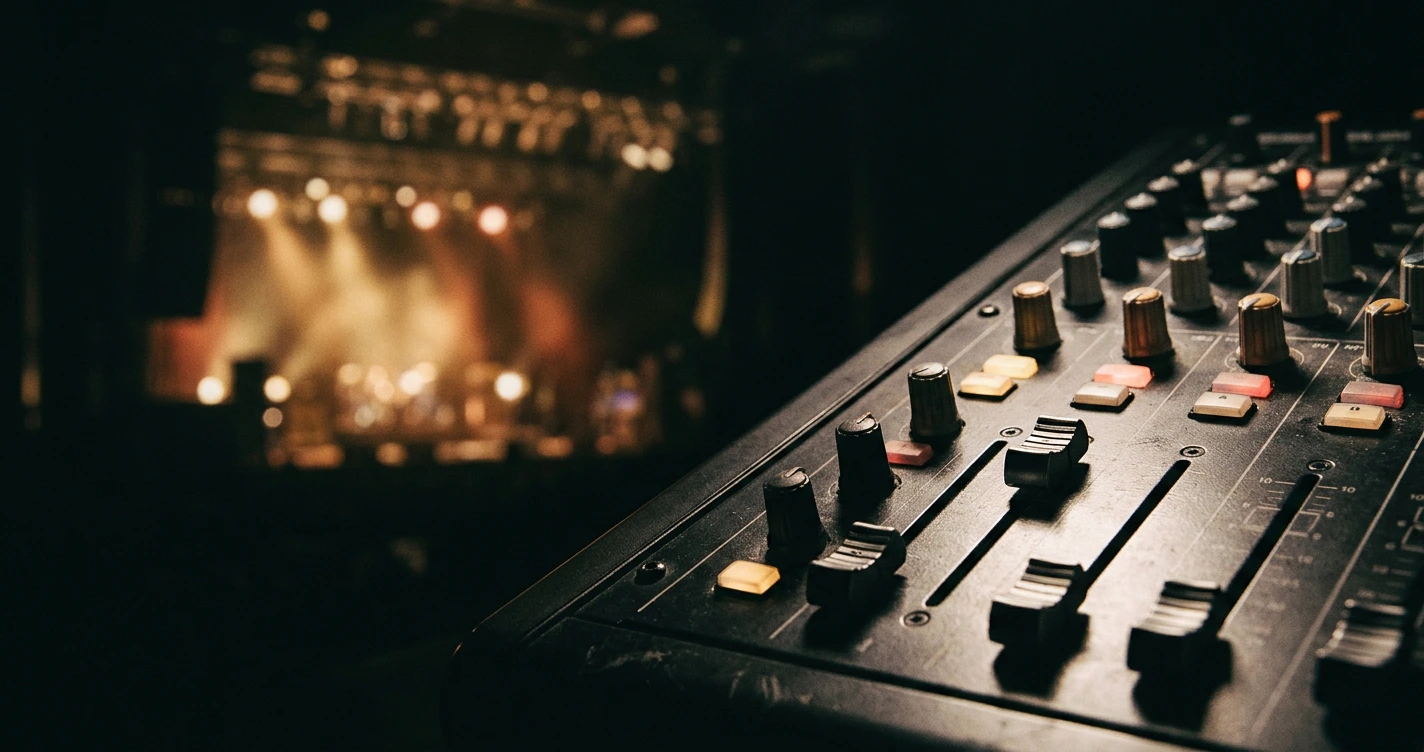
The mixer is mission control. It blends the music, the officiant's microphone, and the speeches so nothing clips or disappears. For your ceremony and toasts, wireless handheld and lapel microphones keep things clean and mobile, with a spare on standby for the moment one battery decides to quit.
How Should You Plan Stage Lighting, Uplighting, and Special Effects?
Lighting sets the emotional temperature of the night, and the best plans layer three elements: uplighting that washes the walls in your color, stage and dance-floor lighting that follows the music, and special effects reserved for the big moments. Modern LED fixtures make this easier and safer, since ENERGY STAR certified LEDs use roughly 75% less energy and produce far less heat than old incandescent lamps, which keeps a packed hall cooler and the venue's power load manageable.
That efficiency also means brighter, cooler, more reliable fixtures that can run all night without heating up the dance floor. For a Lebanese summer wedding or a crowded hall, less heat and a lighter power draw are not small details.
Here is how the layers usually break down:
- Uplighting. Color-matched washes along the walls that transform a plain hall into your palette. Pick colors that photograph well, since these show up in every wide shot.
- Dance-floor and stage lighting. Moving heads and beams that react to the music and lift the energy once dinner wraps.
- Special effects. Cold-spark volcanos for the first dance or grand entrance, dry ice for a low cloud under your first steps, and fireworks for an outdoor finale.
Cold-spark machines are a favorite for Lebanese weddings because they throw a dramatic fountain of sparks while running far cooler than traditional pyrotechnics, so they can be used indoors with the right clearance and operator. Dry ice gives you that dreamy, floating-on-clouds first dance. Each effect needs a trained hand, venue approval, and sensible placement away from guests and fabrics.
What About Delivery, Setup, and On-Site Technical Support?
The logistics decide whether your event starts on a calm note or a frantic one. A professional rental covers delivery to the venue, full setup and sound check before guests arrive, and a technician who stays to run the show. Skip any of those, and you inherit the stress of hauling gear, guessing at levels, and troubleshooting a dead channel during the toasts.
Ask these questions before you commit:
- Delivery and access. What time does the gear arrive, and does the team handle stairs, elevators, or a long carry to an outdoor site?
- Setup window. How long before guests arrive is everything tested and sound-checked?
- On-site staffing. Does a technician stay for the full event, or do you run it yourself after setup?
- Backup plan. Are there spare microphones, cables, and a redundant speaker in case something fails?
- Teardown. Who breaks it all down, and when, so you are not negotiating load-out at 2 a.m.?
A clear answer to each of these is the difference between a vendor and a partner. The best teams walk the venue in advance, map the power, and plan the setup so you never see the scramble behind the curtain.
Why Does Renting With Your DJ Keep Everything in Sync?
When one team supplies the sound, the lighting, and the DJ, the whole night runs on a single plan instead of three separate ones. The entrance music swells exactly as the cold-spark volcanos ignite, the lights dim on cue for the first dance, and the dinner volume drops the moment speeches begin. That coordination is nearly impossible when a DJ, a sound company, and a lighting crew each show up with their own timeline and their own idea of the schedule.
Splitting vendors also multiplies the risk. Three companies mean three delivery fees, three setups competing for the same load-in window, and three people to call when a cue misses. One provider owns the outcome end to end, which is why booking production and music together usually costs less and stresses you out far less.
This is where DJ JAY-P OFFICIAL fits naturally. As a luxury wedding and events DJ in Lebanon, he supplies the full package, sound system, lighting, stages, fireworks, dry ice, and cold-spark volcanos, so one person controls how your night both sounds and looks. From the zaffe to the after-party, the music and the production move together instead of chasing each other.
If you want the room to feel like a single, seamless experience rather than a stitched-together set of services, start by mapping your must-have moments: the entrance, the first dance, the effects, the peak of the party. Then message DJ JAY-P on WhatsApp to talk through your venue and date, and build the sound and lighting around the moments that matter most to you.
Frequently asked questions
How far in advance should I book sound and lighting rental in Lebanon?
For weddings and large events, book three to six months out, especially for peak summer and holiday dates. Popular venues and the better gear get reserved early, and rushing the booking usually means fewer options and a tighter setup window.
Do I need a technician on-site, or can I run the gear myself?
For anything beyond a small party, keep a technician on-site. Someone needs to manage levels, fix a dropped channel, and run lighting cues while you enjoy the night. Ask whether on-site support is included or billed separately.
How much sound do I actually need for my guest count?
It depends more on venue size and layout than headcount alone. A high-ceilinged hall or an outdoor garden needs more power and smarter speaker placement than a compact indoor room. A good provider sizes the system to the space, not just the number.
Are cold-spark volcanos and dry ice safe for an indoor wedding?
Cold-spark machines run cooler than traditional pyrotechnics and are widely used indoors, while dry ice creates a low-lying cloud for first dances. Both still need a trained operator, venue approval, and proper placement away from guests and fabrics.
Is it cheaper to rent sound and lighting separately or together?
Bundling is usually simpler and often more cost-effective than hiring separate vendors who each charge for delivery, setup, and staffing. One coordinated team also means one point of contact if anything goes wrong on the night.