
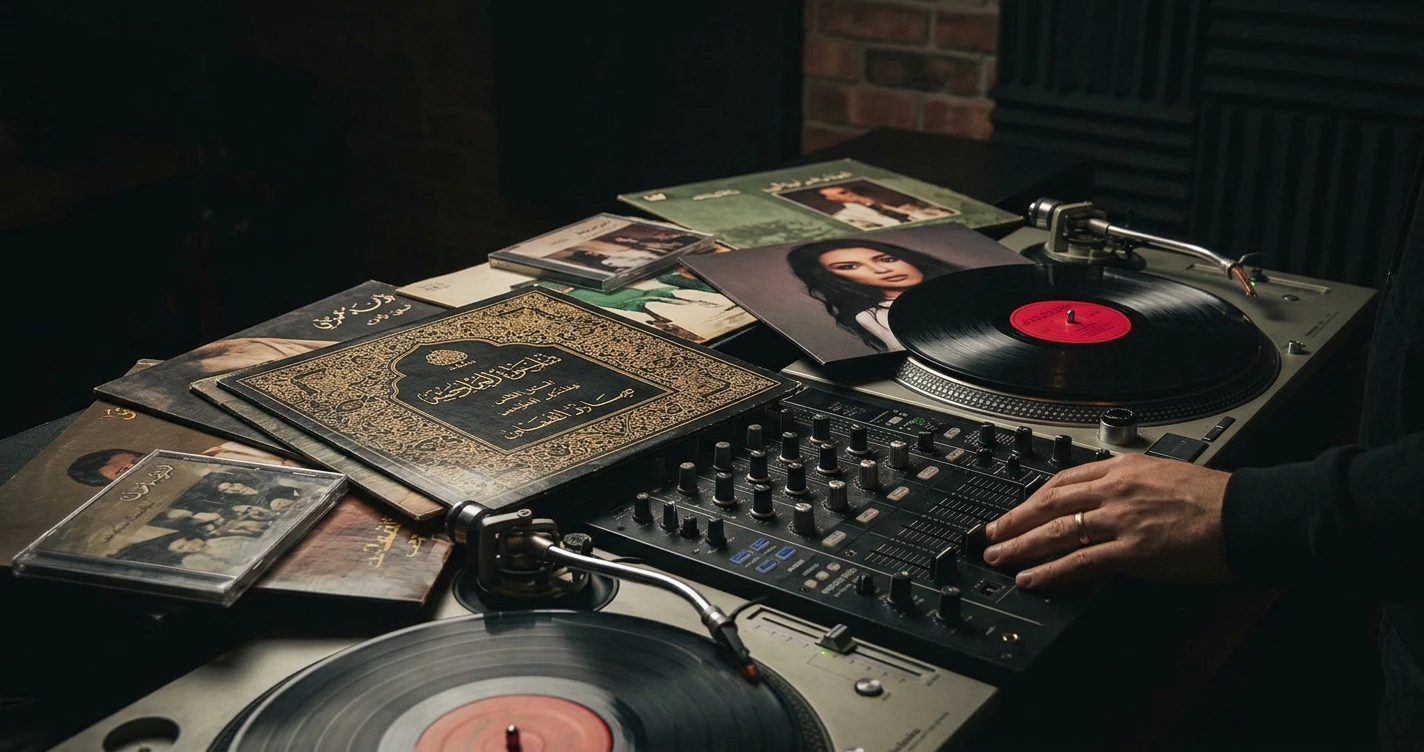
Mixing Arabic and Western Music at Weddings
Most Lebanese weddings blend Arabic and Western wedding music, and couples here expect it. The real work is in the ordering, the transitions and the read of the room, so your teta on the dabke line and your cousins flying in from abroad all feel the night was built for them.
If you are planning a wedding in Beirut or anywhere across Lebanon, you already know the room will hold several generations and, often, several countries. A good fusion playlist speaks to all of them. Below is how to think about an Arabic and Western wedding music mix that actually fills the floor, from your zaffe entrance to the last song of the after-party.
Why blended playlists work in Lebanon
Lebanese celebrations have always borrowed freely. A wedding here can open with a traditional dabke line, slide into a Fairuz ballad for the parents, then jump to a global pop anthem the second the cake is cut. That instinct to mix is cultural, and it maps neatly onto how couples everywhere are rethinking wedding music.
Music sits near the top of what couples care about. In The Knot's 2023 Real Weddings Study, 56% of engaged couples said reveling in the music and dancing was what they looked forward to most on their wedding day. The same study found that 44% of couples incorporated unique musical choices into their ceremony, which tells you blending styles is already mainstream.
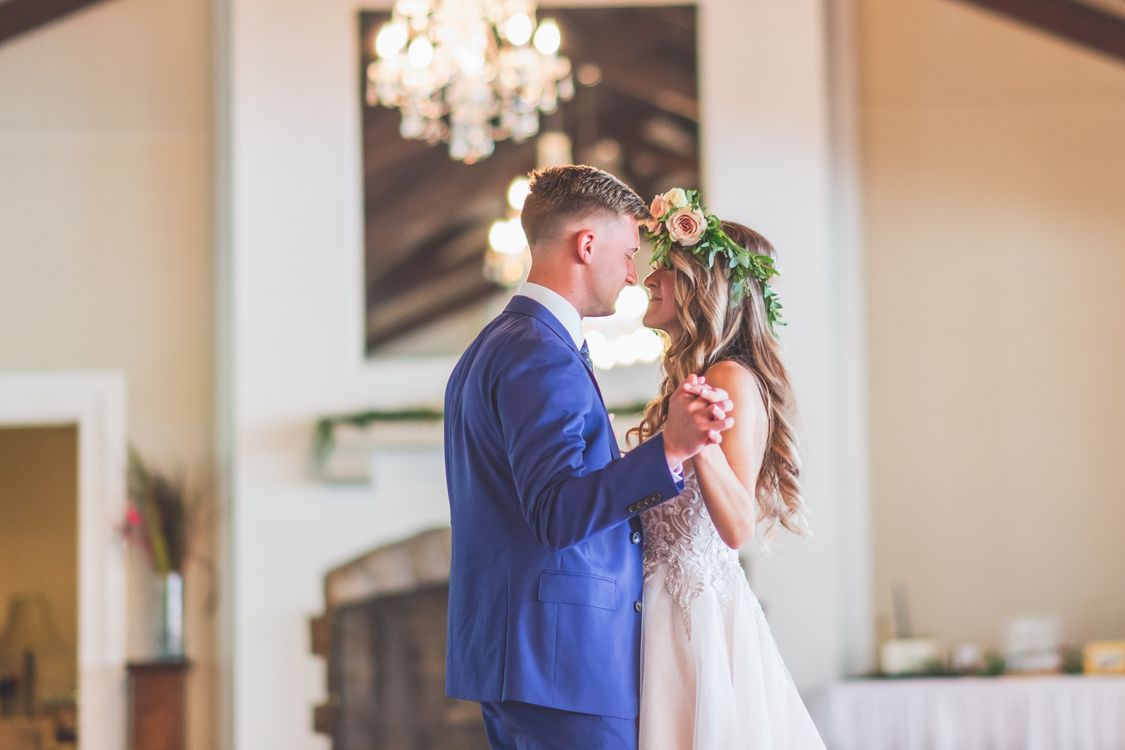
For a Lebanese wedding, blending does three things at once:
- It honors the older guests who came to hear the songs they grew up with.
- It gives the younger crowd and diaspora friends the international sound they live on day to day.
- It keeps the dance floor full across the whole night instead of emptying between sets.
The goal is a room where nobody sits out for long. When the music keeps nodding to everyone in turn, people stay standing.
Transitioning smoothly between genres
The place most mixed playlists fall apart is the handoff. A hard cut from a slow Arabic classic into a loud Western club track can clear a floor as fast as it filled it. Smooth transitions are what separate a true fusion set from a shuffle button.
The trick is to transition on tempo and energy, not on language. When the beat per minute and the mood carry over from one song to the next, your guests barely register that the genre changed. They just keep dancing.
A few practical ways a DJ bridges the two worlds:
- Matching BPM so an Arabic pop song flows into a house or Latin track at a similar pace.
- Using a universal percussion break or drum fill as a neutral bridge between styles.
- Layering an Arabic vocal hook over a Western instrumental, a staple of open-format mixing.
- Reading the energy curve so a slow Fairuz moment is a deliberate breather, not an accident.
This is also where production matters. Clean sound and well-timed lighting make a transition feel like one continuous moment rather than two separate songs, so the technical setup is worth getting right before you worry about the song list itself.
Crowd-pleasing Arabic tracks for the dance floor
Your Arabic sets are the emotional core of the night, and they are usually where the floor gets most crowded. These are the songs the whole room knows by heart, where guests sing along and form lines without being asked.
Think of your Arabic selections in a few lanes:
- Zaffe and dabke energy for the entrance and the first big floor-filler, loud, rhythmic and impossible to sit through.
- Classic Lebanese voices such as Fairuz and Wadih El Safi for the parents and grandparents, often earlier in the night.
- Modern Arabic pop and khaleeji hits for the younger crowd who want something current but still in their language.
- Regional favorites your families love, which your DJ should collect from you in advance.
The zaffe deserves special planning because it sets the tone for everything after it. If you want to get that entrance right, our walkthrough on how to plan the perfect zaffe entrance breaks down timing and song choices step by step.
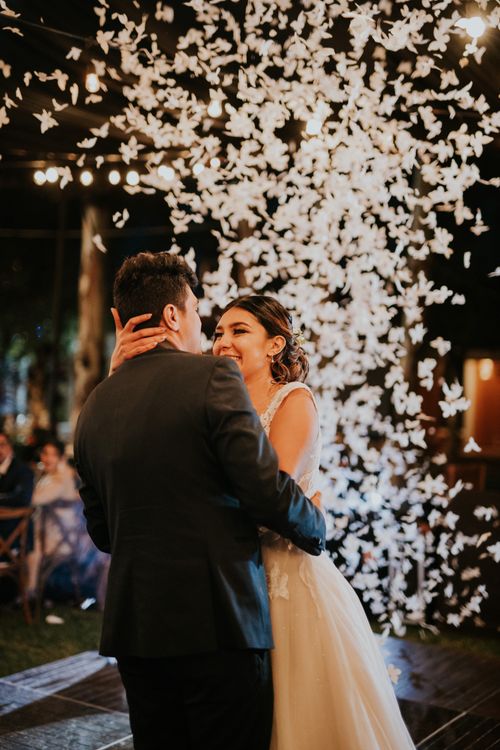
A good rule: anchor your highest-energy Arabic moments when the room is fullest, usually right after the entrance and again after dinner. That is when the dabke line forms fastest.
Western hits that keep everyone moving
Western tracks are what carry the party into its later, looser hours and what your diaspora guests often wait for. The aim is not to out-shout the Arabic sets but to trade energy back and forth with them so the night keeps climbing.
Strong Western lanes for a Lebanese dance floor include:
- Timeless crowd anthems that cut across every age group and never miss.
- Current pop and dance hits for the late-night stretch when the younger crowd takes over.
- Latin and Afrobeats rhythms that pair naturally with Arabic percussion and bridge the two sides.
- A handful of slow, romantic songs for first-dance and parent-dance moments.
Your first dance sits right at the center of this balance, and it is worth choosing with intention. If you are torn between a global ballad and an Arabic classic, pick the one that tells your story best and let your DJ frame the rest of the night around it.
For most couples, making guests feel looked after matters more than almost anything else on the day, and the music mix is one of the clearest ways that care shows up on the night.
How your DJ reads a mixed-generation crowd
A printed playlist cannot know that your uncle's table just filled the floor or that the younger crowd has drifted outside. Reading the room in real time is the skill that makes a mixed wedding work, and it is the one thing a shuffle playlist can never do.
A DJ who knows Lebanese weddings watches for signals all night:
- Which tables get up first, and for which language.
- When energy dips so a familiar Arabic sing-along can bring people back.
- When the older guests head home and the set can lean harder into late-night Western hits.
- How the floor responds to each transition, adjusting the next few songs accordingly.
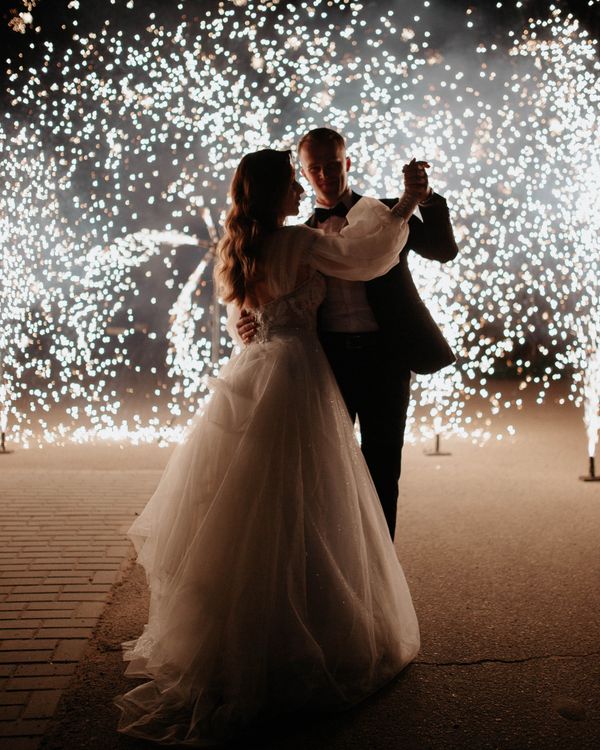
This is where working with a single production act pays off. DJ JAY-P OFFICIAL handles the music and the look of the night together, pairing an Arabic-to-international mix with sound, lighting and effects like dry ice and cold-spark volcanos, so a big transition lands with the whole room feeling it, not just hearing it.
To get the most from that read, give your DJ two short lists ahead of time: a must-play list of songs that matter to you and a do-not-play list of ones you never want to hear. Then let them fill the space between. A few more questions worth settling early are covered in our checklist on questions to ask before booking a wedding DJ.
Planning your Arabic and Western wedding music
Start by sketching your night in energy, not in songs: a strong Arabic entrance, warmer family moments through dinner, then a build into a mixed late-night floor. Hand that shape and your two short lists to your DJ, and the fusion will feel intentional from the first beat to the last.
When you are ready to map out your own Arabic and Western wedding music mix, message DJ JAY-P OFFICIAL on WhatsApp to talk through your timeline, your families and the atmosphere you want. It is the easiest way to make sure every generation on your floor hears their song before the night is over.
Frequently asked questions
Is it okay to mix Arabic and Western music at a Lebanese wedding?
Yes. Most Lebanese weddings already blend both, and a thoughtful mix keeps grandparents, parents and younger guests all on the dance floor together.
Which should come first, Arabic or Western songs?
There is no fixed rule, but many DJs anchor the zaffe and high-energy Arabic sets early when the room is full, then open into international hits as the party deepens.
How do I make the switches between languages feel smooth?
Ask your DJ to transition on tempo and energy rather than language. When the beat and mood carry over, guests barely notice they changed genres.
How many songs should we plan for the reception?
Focus on a short must-play list and a do-not-play list, then trust your DJ to fill the rest by reading the crowd. A packed playlist of fixed songs usually backfires.